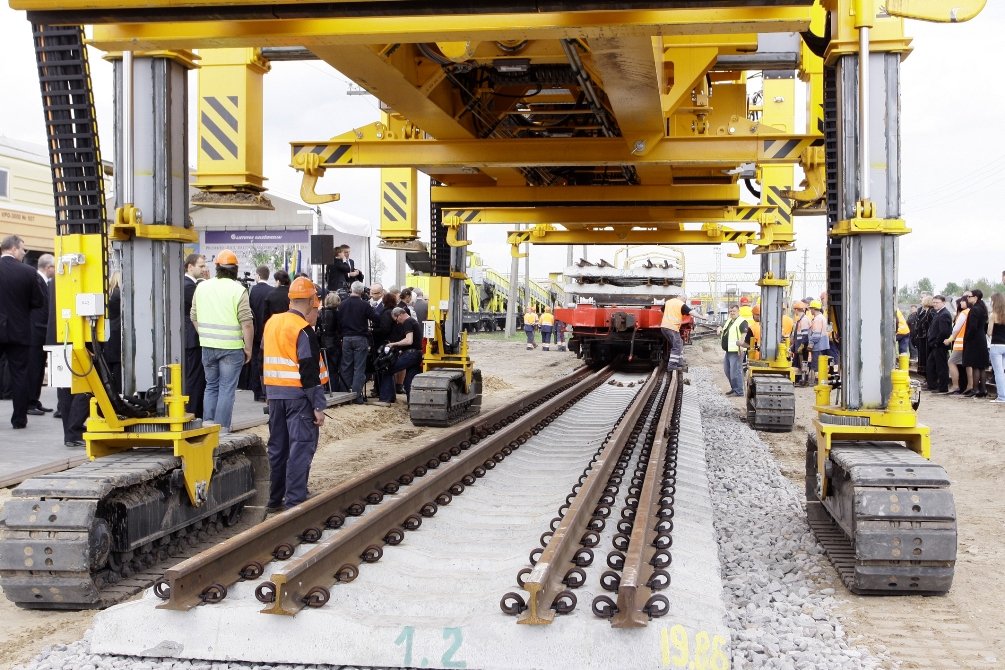
Approved by the Lithuanian Parliament on April 22, the new plan marks the first admission that Rail Baltica’s 2030 target—already 5 years behind the original goal—is slipping.
Rail Baltica is the EU’s flagship rail project, a “dual use” high-speed line meant to boost commerce and military mobility on NATO’s eastern flank. The 870-km route would link Estonia, Latvia, and Lithuania to Warsaw and central Europe, replacing the former soviet republics’ legacy rail design that is incompatible with European trains.
This Spring, the project has faced growing criticism for poor planning and funding, with Poland’s deputy transport minister calling 2030 goal “self-cheating.” Days before the recent delays, Latvian opposition leader Andris Šuvajevs warned it had become “entangled in many side projects that have significantly increased costs.”
Rail Baltica’s budget has quadrupled from €5.8 to €23.8 billion, driven by inflation and improvised conversion to military use. The EU is expected to cover up to 85% of its costs.