

Tag: environment
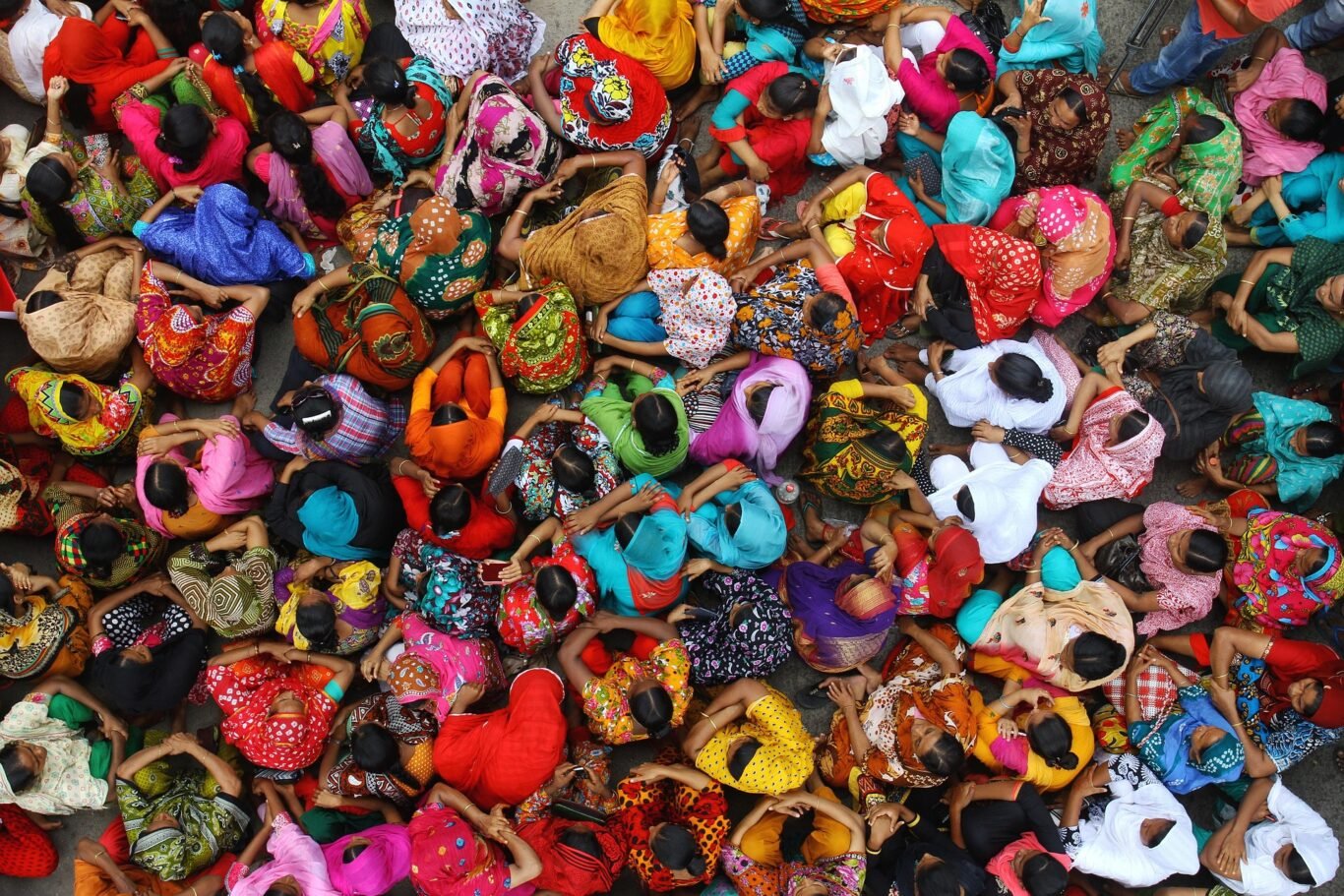
Roots of Resistance: How Gen Z Indigenous Women Are Defending Their Heritage in Southeast Asia
A crowd of protesting Indian women. Licensed via Pixabay. Link copied! “Just this June, an 11-year-old Indigenous girl from the community was brutally raped.” The […]
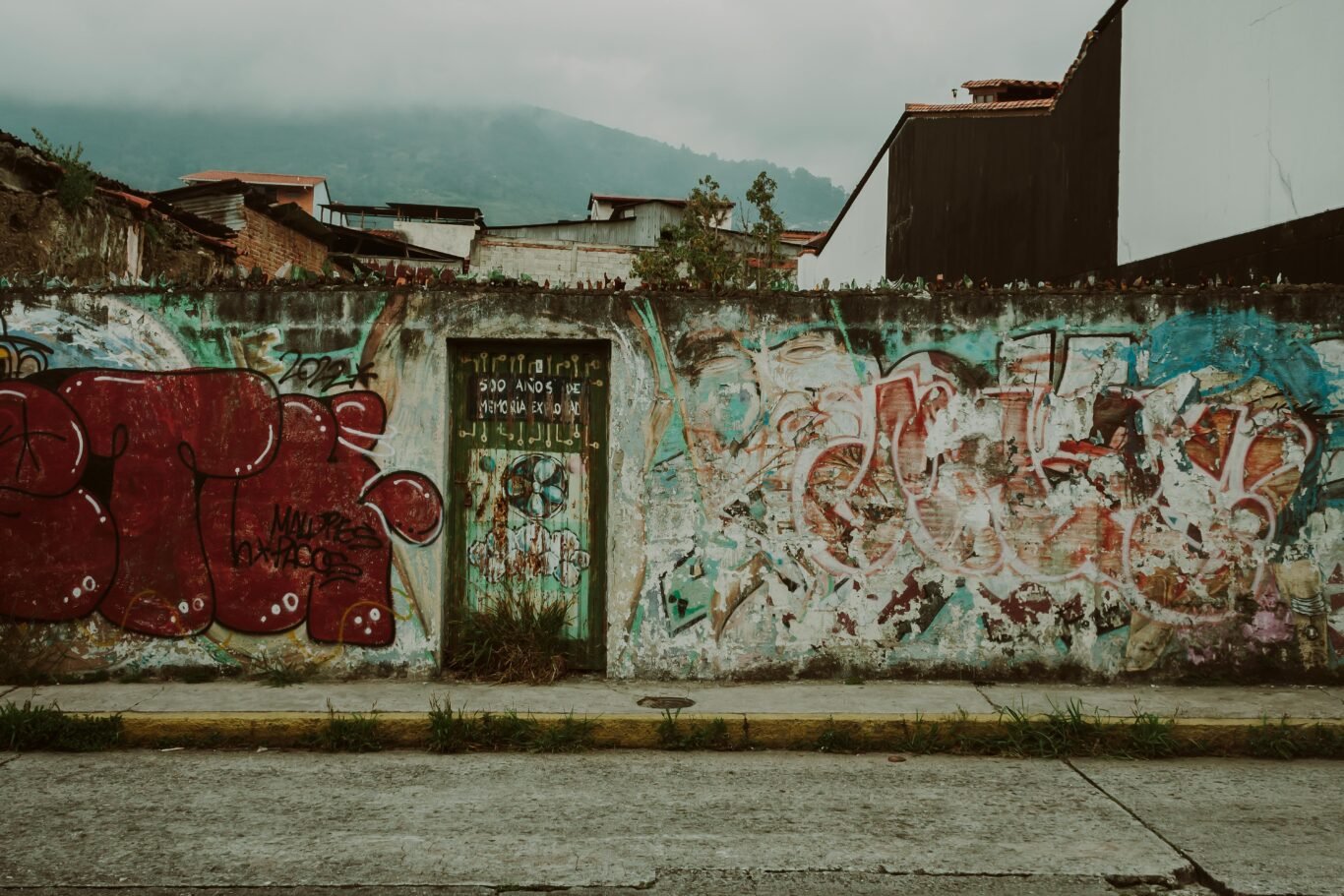
A Message from Venezuela: An Alternative Must Be Built Beyond the Regime and the US
The people want and need an end to the persecution under the current political regime. Above all, the end of this repression would allow social and political forces in Venezuela to reorganize so that an alternative to the US-led projects can be strengthened.
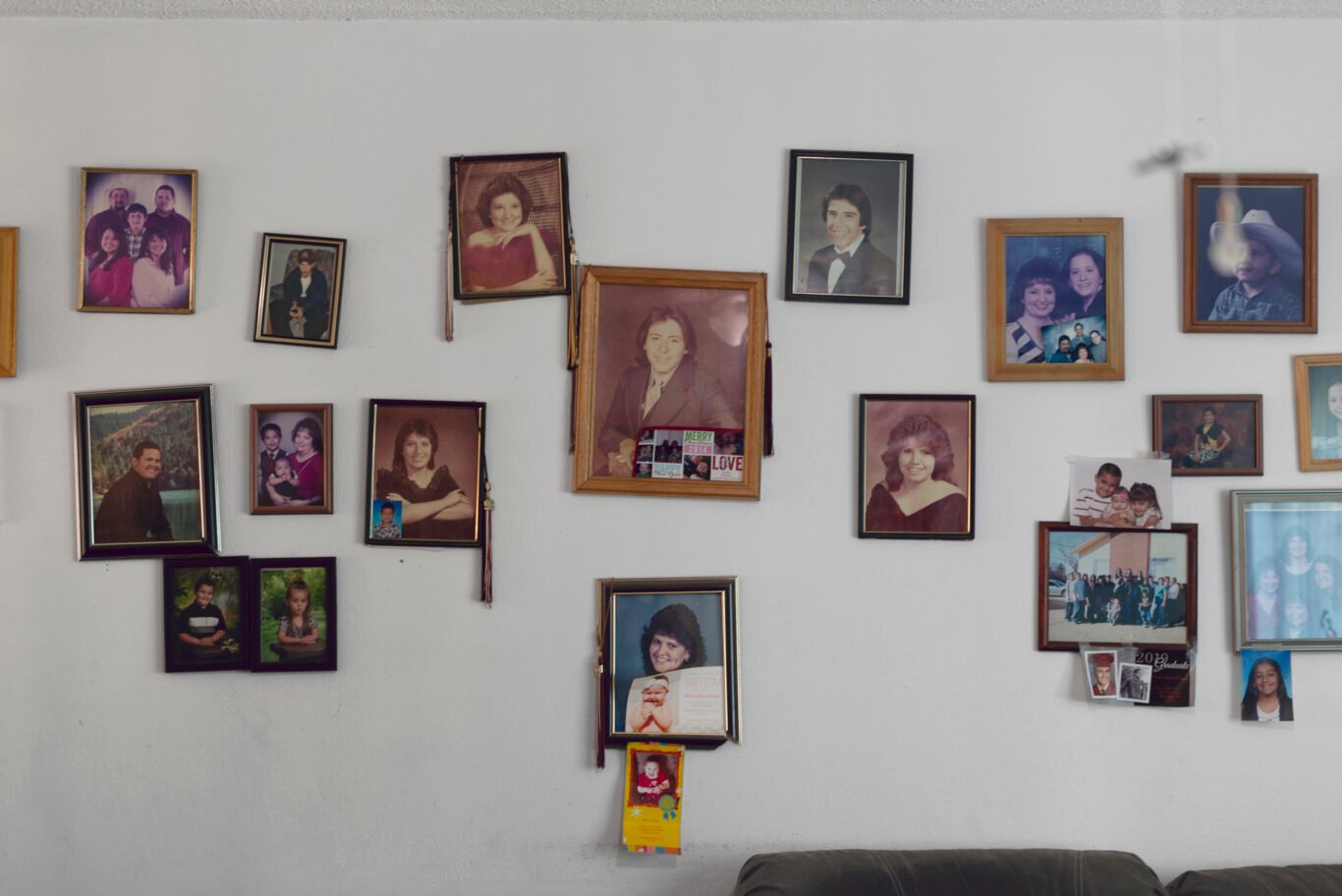
Downwinders: The Forgotten Stories of America’s First Atomic Bomb
Half a million people lived within a 150-mile radius of Trinity nuclear testing site in 1945. Only 15% of the plutonium in the bomb fissioned, while the remaining radioactive fallout blew downwind into surrounding communities and seeped into the soil.
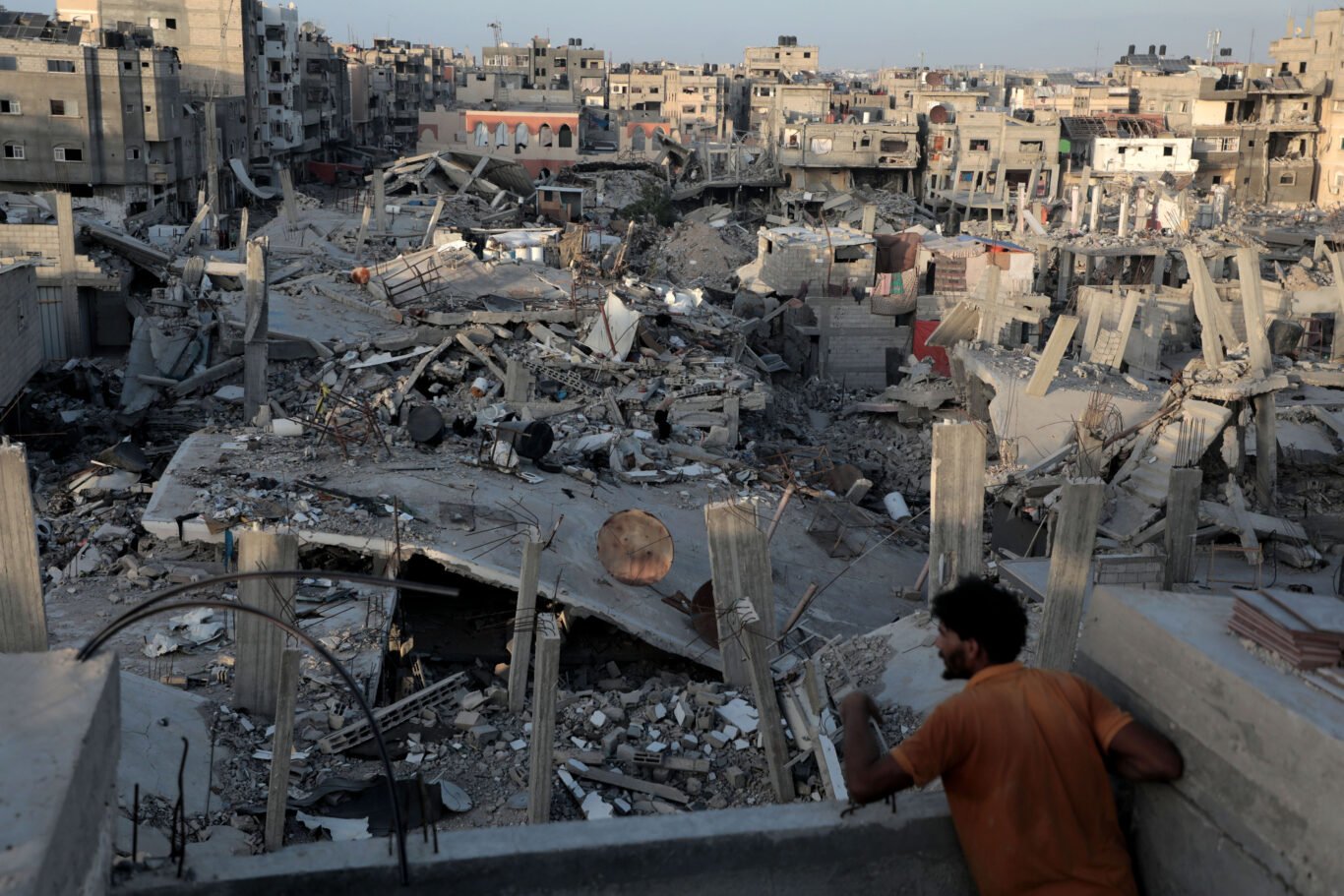
The Earth Under Siege
The year 2025 must be the year we reject militarism, but not only with our tax money and feet on the ground at protests. We must also fight against the mentality we are asked to accept

Utopia, Not Futurism
Visual composition: Turning Point. Original photo: Public Domain (Murray Bookchin, photographer unknown) Link copied! The following text is a transcript of the speech the American […]
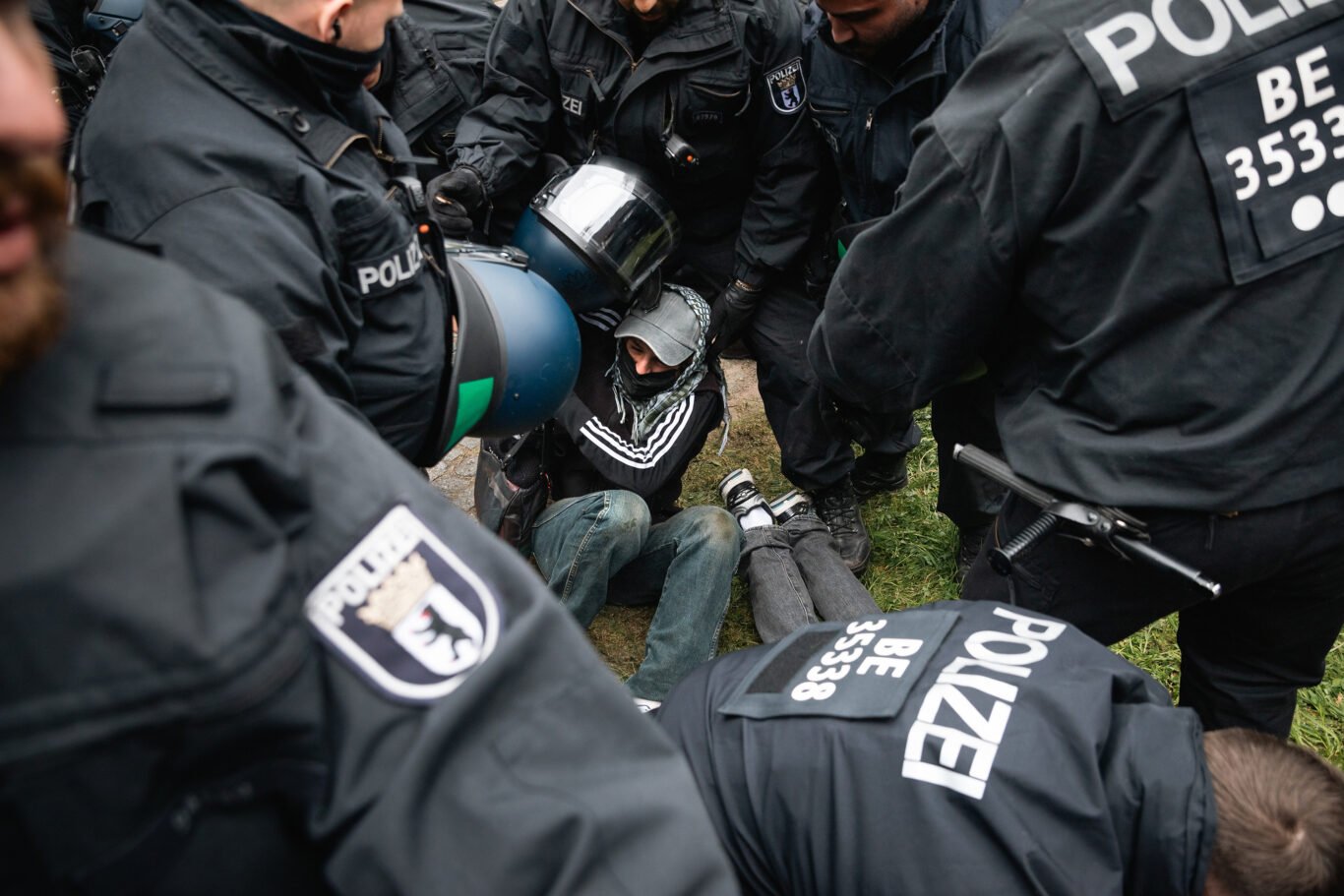
Activists Under Fire: The Rising Criminalization of Civil Movements Across Europe
As authorities clamp down, grassroots groups and NGOs remain resilient and interconnected in building solidarity networks across borders to amplify their demands and unify their struggles.

Urban Landscapes in the 21st Century: Can Eco-Cities Tackle Climate Change and Pollution?
Turning Point talked with municipal officials, grass roots organizers, researchers, and residents in the Middle East, Europe, and the Americas to map out urban strategies for adaptation to climate change and to find out more about the prospects of finding an alternative to the current, ecologically devastating forms of urbanization.
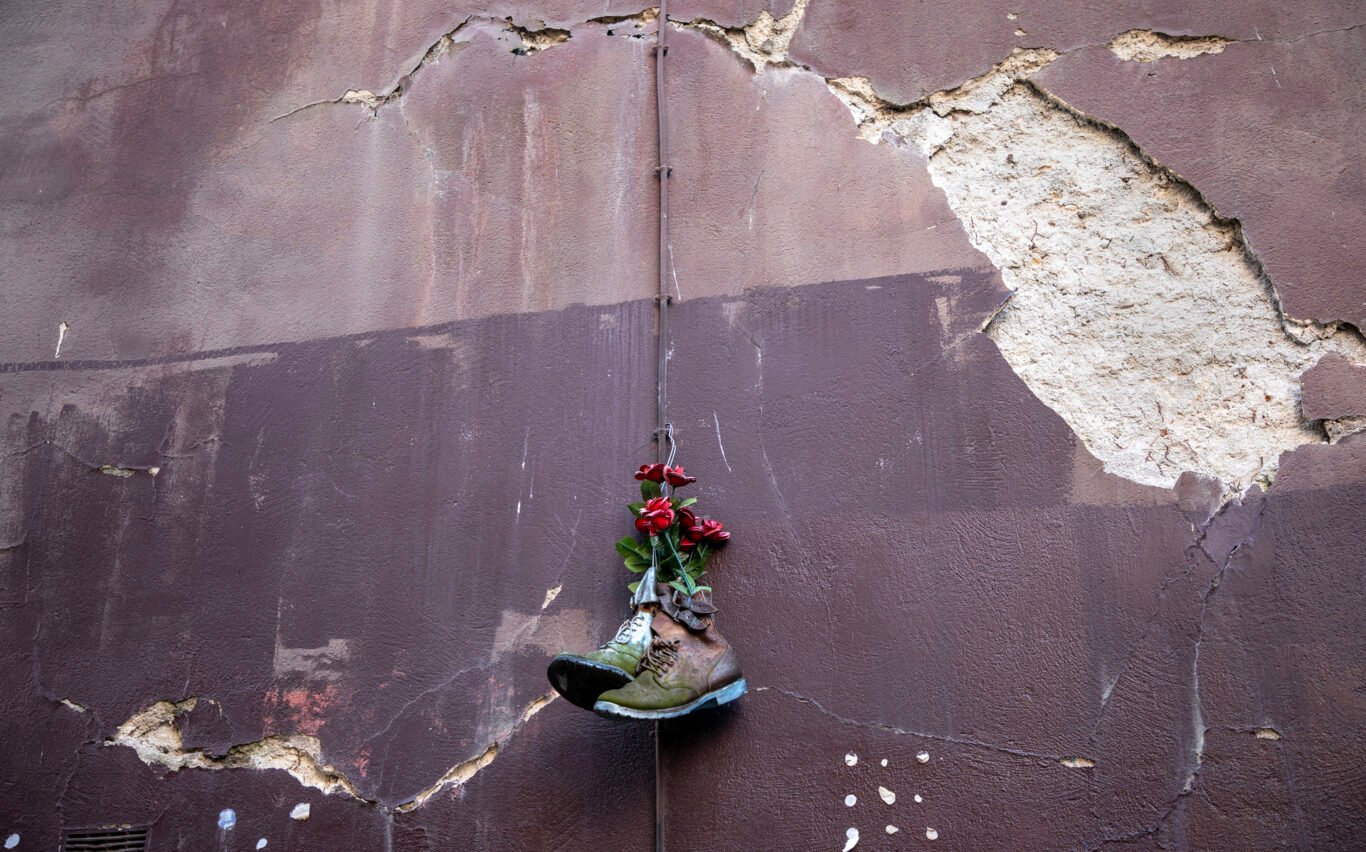
Alternatives Are a Matter of Survival
Paris, France, May 1, 2023. © Maryam Ashrafi Link copied! In 2024, trust in institutions is plummeting. With a lack of options, people are turning […]
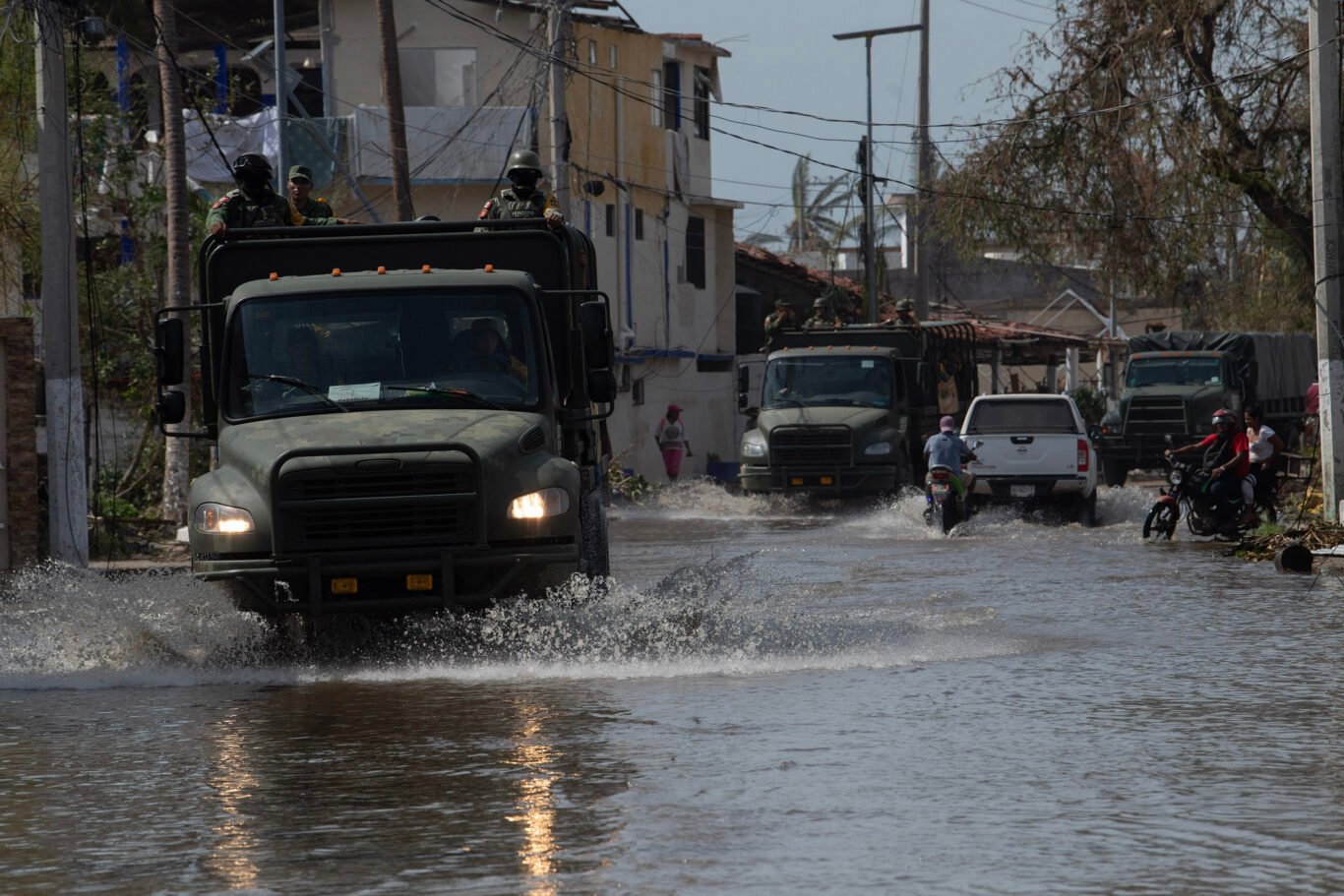
The Politics of Force: Militarized Care and Disaster Recovery in Acapulco
The involvement of the National Guard in Acapulco’s reconstruction is part of a broader shift toward militarization in Mexico, representing a significant transfer of power to the armed forces and solidifying their role as major political and economic players in Mexico for the foreseeable future.
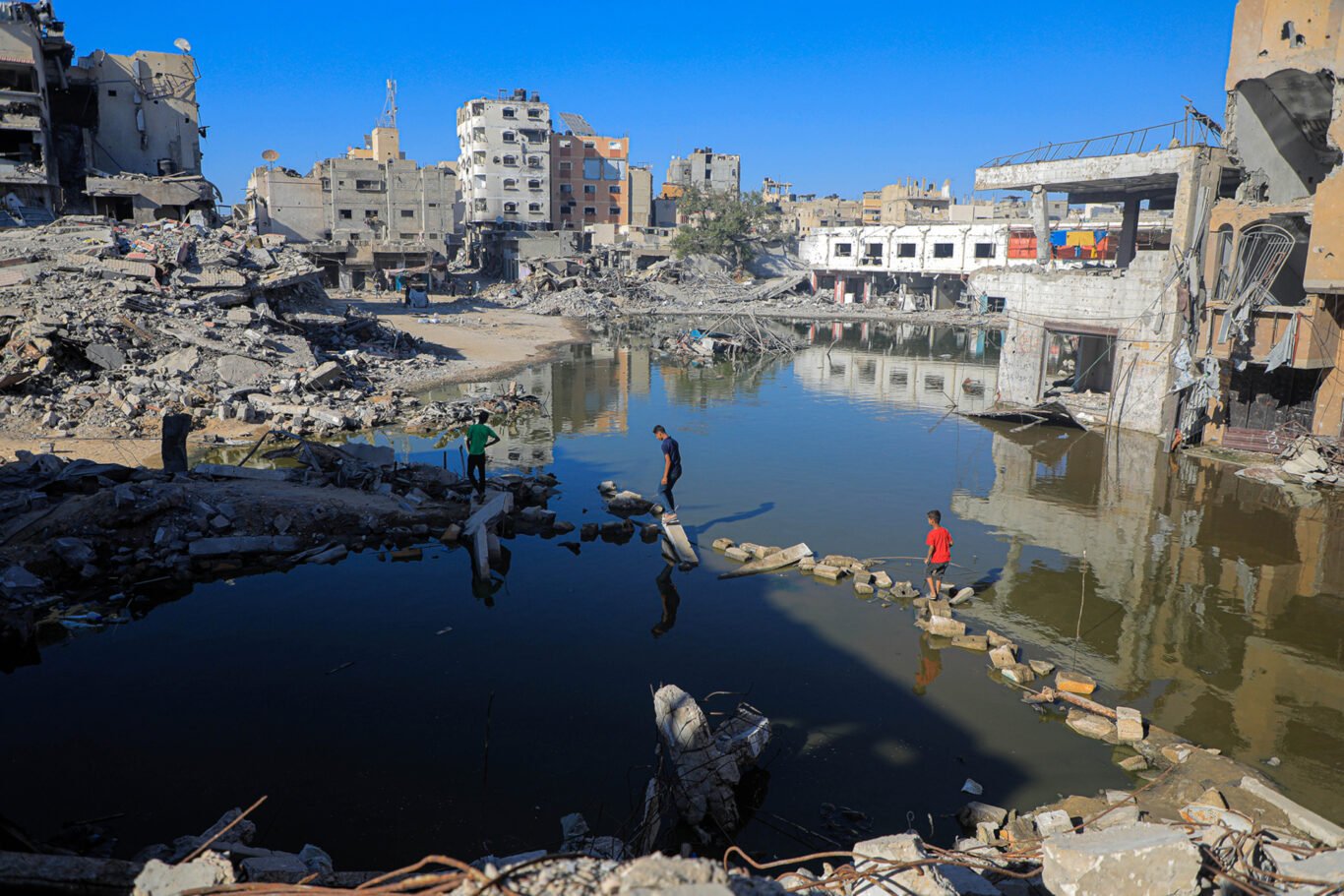
Facing the Human Cost of Ecocide: The Environmental Destruction of Gaza Will Last Generations
The destruction of Gaza’s environment is more than an ecological disaster. It has created deadly conditions that will keep killing Palestinian civilians even if the bombs stop falling.