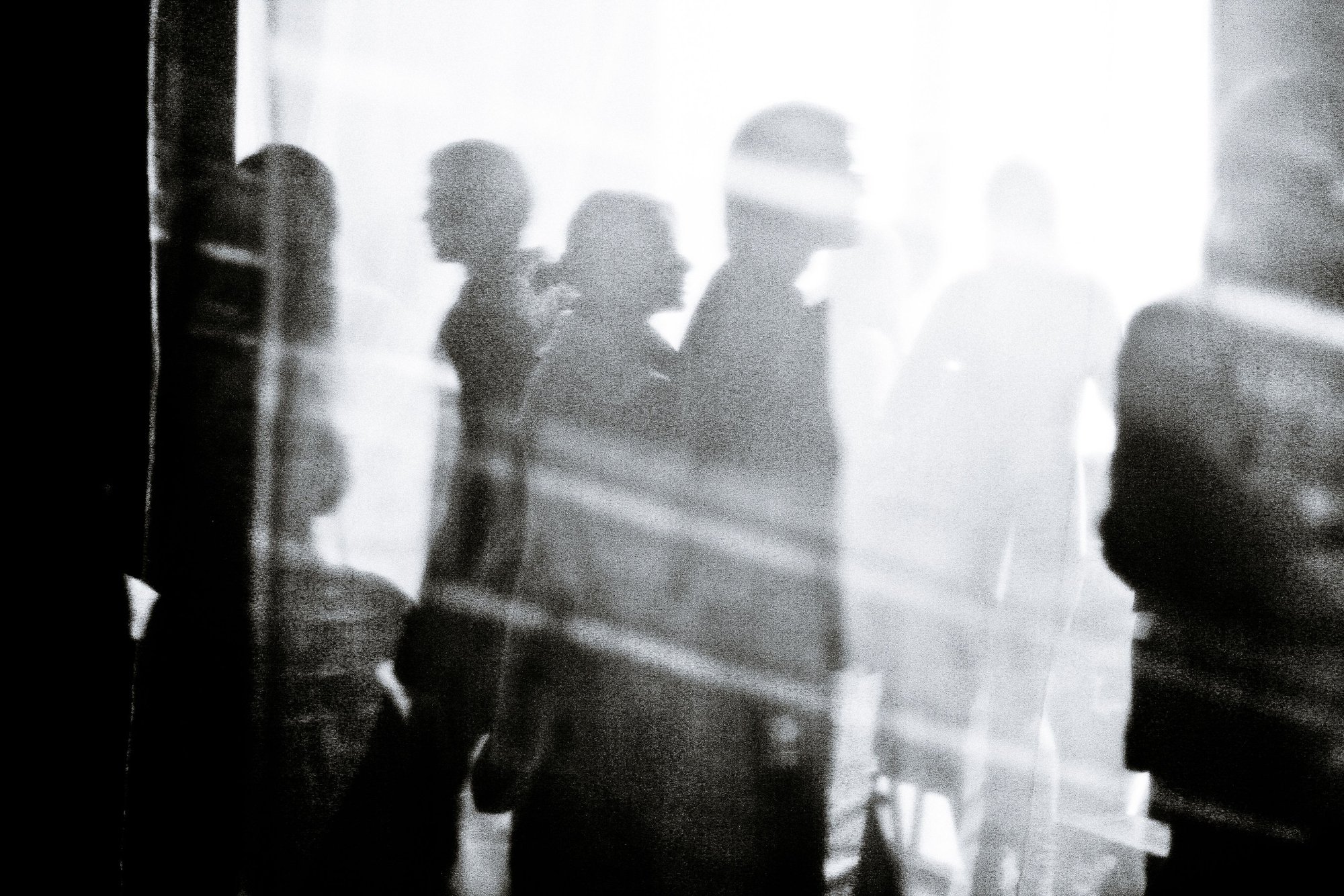



Graffiti on the walls of unassuming side streets. A plastic-wrapped portrait to which a mother’s hands cling in a quiet vigil. A pair of shoes left on the porch after an off-the-books midnight raid. It is often lingering objects that remain behind on the streets when people are snatched into the murkiest shadows of the global system of violent impunity. Across continents, forced disappearance operates as one of the most vicious mechanisms of modern rule, leaving behind agonizing uncertainty, shattered families, and—too often—silence. Exactly for this reason, we dedicate this month to the people who slipped through the cracks and were never found again. .
In the dominant commentary, forced disappearances are routinely framed as isolated “human rights abuses,” tragic excesses of authoritarian regimes, or a regrettable yet inevitable byproduct of war. But behind these individual acts lies a clear, systemic pattern: a calculated strategy to break social movements, terrorize communities and entire societies, and destroy the collective capacity to resist.
The UN Working Group on Enforced or Involuntary Disappearances (WGEID) has registered over 60,000 cases across 110 countries since its inception in 1980. More than 50,000 of these remain unresolved today, underscoring the pervasive culture of unaccountability surrounding state-orchestrated violence. These figures, however, represent merely the tip of the iceberg, counting only voluntarily reported cases tied to state officials or, since 2019, armed groups exercising “state-like” control over territory. By contrast, Mexico’s national registry alone counts over 130,000 missing persons—a broader tally that reflects the toll of paramilitary violence, organized crime, and various other shades of state inaction and collusion. In Syria, an estimated 177,000 remain disappeared after a decade and a half of civil war.
In its latest annual report, the WGEID noted “with serious concern” the globally growing number of cases linked to the enforcement of national security and counter-terrorism measures, as well as the “use of enforced disappearances in the context of increased militarization to curb dissent.” The working group also noted a visible increase in cases involving foreign nationals, including in the context of forced deportations and transfers to third countries.
The geography of this violence spans the entire globe, revealing how deeply interconnected the systems of repression are. Authoritarian state and non-state forces routinely turn to disappearance as a tool of social control. We have overwhelming evidence from vastly different places; Ukrainian front lines and secret detention centers in Syria, the violent repression of dissidents in Iran, and the abductions and targeted assassinations of activists across Latin America. This erasure logic extends further to militarized borderlands and maritime routes, where externalized border controls push migrants into minefields, the hands of corrupt militias and human traffickers, or the depths of the Mediterranean. Whether through shadowy black sites or calculated abandonment at sea, the underlying logic remains that of stripping people of their basic right to exist.
Yet, precisely within these landscapes of engineered erasure, another reality persists: the quiet, stubborn endurance of those who refuse to let the disappeared fade into oblivion. Across the world, entire movements have been born to unearth the truth and fight for justice, uniting families, lawyers, activists, and civil rights groups. It is overwhelmingly women—mothers, sisters, and daughters—who step into the void left by state violence and take the lead in the struggles. They organize across borders, language barriers, and class divides, keeping alive not only memories but a culture of justice, accountability, and collective care.
Enforced disappearance relies on the calculation that fear and trauma will enforce silence and that time will bring forgetting. Our duty as independent journalists is to shed light where governments work tirelessly to maintain darkness. By documenting these stories, amplifying marginalized voices, and exposing the structural forces behind state violence, we join those who insist on speaking, remembering, and refusing to disappear. Another world cannot be built on impunity; it is carved out every day by those who preserve human dignity and refuse to surrender the future to organized brutality.